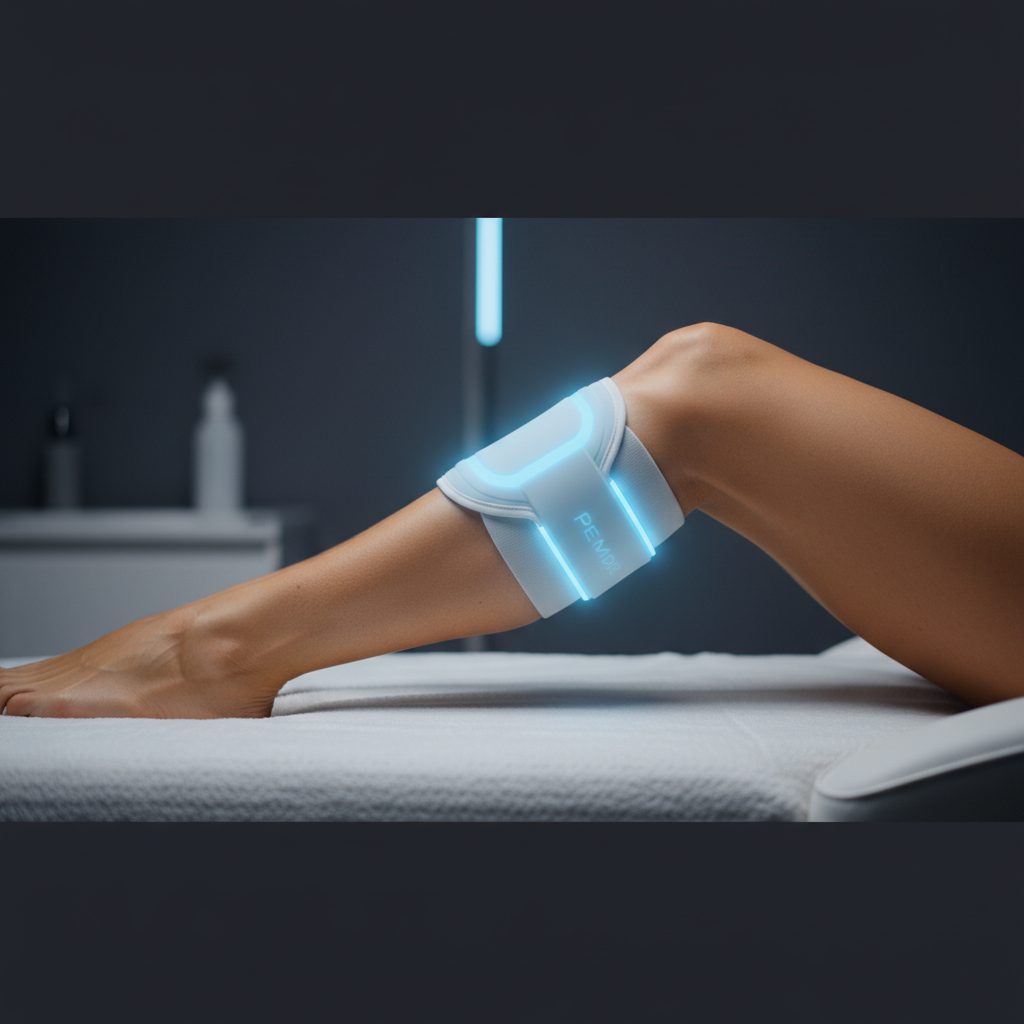
In 40 seconds
PEMF was first FDA-cleared in 1979 specifically for non-union bone fractures — bones that had stopped healing on their own. Decades of clinical use confirm PEMF accelerates osteoblast activity, supports mineralisation, and shortens fracture recovery time. For athletic stress fractures (tibia, metatarsal, fibula, sacral), PEMF is now widely used to return athletes to play faster than rest alone. Typical UK protocol: 3 sessions per week for 6–8 weeks alongside controlled loading.
Quick facts
- FDA-cleared: Non-union fractures since 1979 — strongest evidence base
- Common stress fracture sites: Tibia, metatarsals, fibula, sacrum, femoral neck
- PEMF role: Stimulates osteoblasts, accelerates mineralisation
- Sessions: 3× per week for 6–8 weeks
- Higher-risk sites need: Close orthopaedic monitoring
How PEMF heals bone
- Stimulates osteoblast activity (the cells that lay down new bone)
- Suppresses osteoclast activity (the cells that resorb bone)
- Improves microcirculation to the fracture site
- Supports mineralisation and matrix deposition
- Reduces local inflammation that can slow healing
Typical UK protocol
| Phase | Frequency | Duration | Activity |
|---|---|---|---|
| Early | 3× per week | 2–3 weeks | Reduced load, cross-training |
| Healing | 3× per week | 3–4 weeks | Graduated loading, return imaging if indicated |
| Return | 2× per week | 2–3 weeks | Progressive return to sport |
Contraindications
Hard exclusions — do not have PEMF if any apply:
- Pacemaker, implantable cardioverter-defibrillator (ICD), or any cardiac electronic device
- Cochlear implant or other implanted electronic hearing device
- Spinal cord stimulator, deep-brain stimulator, vagus nerve stimulator
- Intrathecal pump or implanted drug pump
- Insulin pump (continuous glucose monitors are usually fine — confirm with the clinic)
- Active infection at the treatment site
- Pregnancy — when treatment would be over the abdomen, lumbar spine, or pelvis
Discuss with your GP or specialist before booking if any apply:
- Active malignancy or recent cancer history (oncologist clearance required)
- History of seizures or epilepsy
- Multiple sclerosis or other neurological condition under specialist care
- Anticoagulant therapy (PEMF itself does not thin blood, but bruising risk if local circulation is already compromised)
- Children under 14 (most UK clinics will not treat under-18s without paediatric specialist input)
- Recent surgery within the last 14 days at the treatment site (confirm with surgeon)
NOT contraindications — these are commonly misunderstood:
- Plates, rods, screws and other passive metal orthopaedic hardware
- Dental implants and dental crowns
- Joint replacements (hip, knee, shoulder)
- IUDs (copper or hormonal)
- Tattoos and piercings (jewellery should be removed for the session)
Frequently asked questions
Does PEMF speed up stress fracture healing?
Yes — bone is the strongest single evidence base for PEMF. The therapy was originally FDA-cleared for non-union fractures in 1979. Stress fractures, including in athletes and military recruits, heal faster with PEMF added to standard rest and graduated loading.
Can I keep training while a stress fracture heals?
Cross-training (non-impact activities) is usually fine and often encouraged — swimming, cycling, upper-body work. Continuing impact activity that aggravates the fracture site delays healing regardless of treatment.
How long does a stress fracture take to heal?
Most heal in 6–12 weeks with proper rest and graded return. Higher-risk sites (anterior tibia, navicular, femoral neck) take longer and need careful imaging follow-up.
What about high-risk stress fractures?
Some sites are slow-to-heal or risk progression to complete fracture: anterior tibia, navicular, femoral neck, fifth metatarsal base. These need close orthopaedic follow-up. PEMF can accelerate healing in these but doesn't replace medical management.
How many PEMF sessions for a stress fracture?
Typically 3 sessions per week for 6–8 weeks. Earlier intervention (within 2–3 weeks of diagnosis) tends to produce faster results.
Looking for a PEMF clinic near you?
We list every credible PEMF therapy provider in the UK so you can find one near home.