In 40 seconds
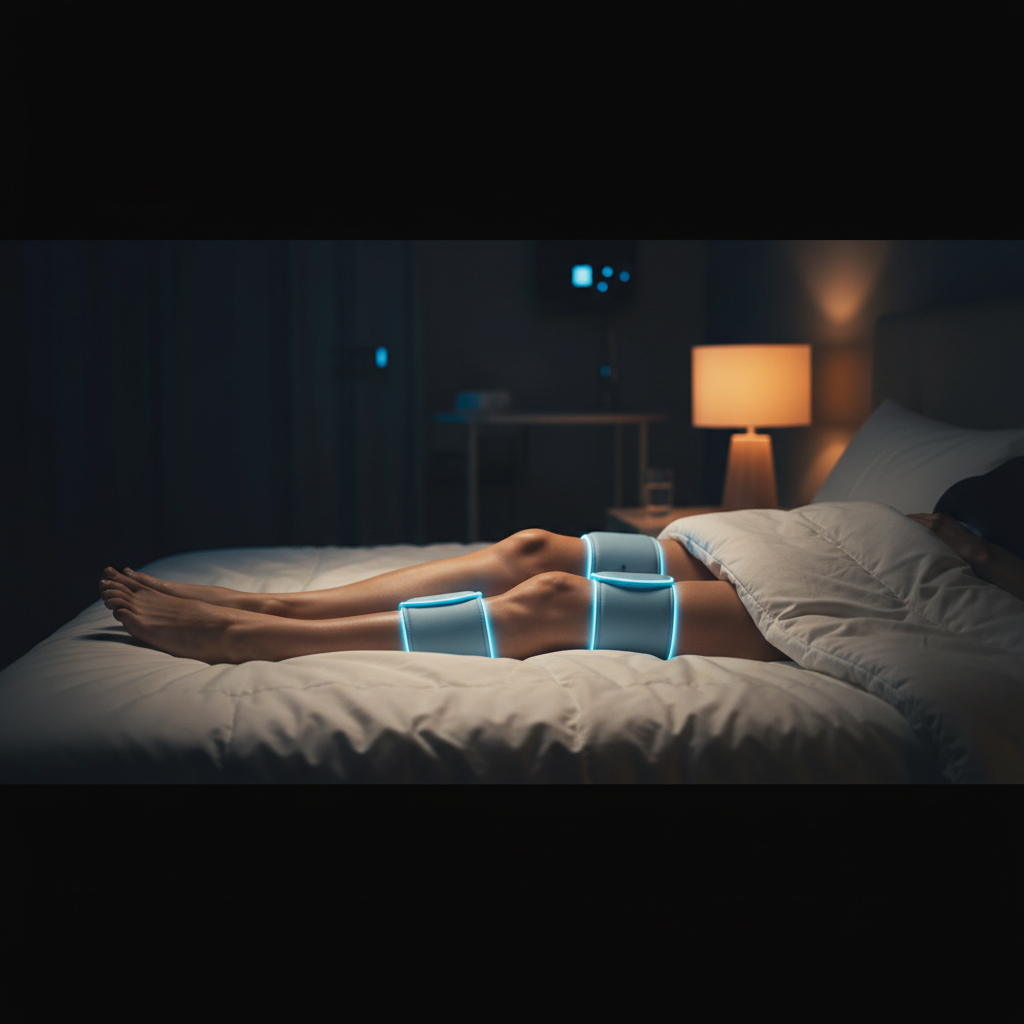
Restless legs syndrome (RLS) — an irresistible urge to move the legs, worst at night — affects ~5–10% of UK adults. PEMF therapy reduces symptom severity in many patients via improved microcirculation, calming nervous system activity, and reduced sensory irritation in the legs. Most effective when used in the evening, 1–2 hours before bed. Typical protocol: 2–3 sessions per week for 4–6 weeks alongside iron status management.
Quick facts
- UK prevalence: 5–10% of adults
- Iron link: Low ferritin worsens RLS — get tested
- PEMF role: Reduces sensation severity, supports sleep
- Best timing: Evening or pre-bed
- Sessions: 2–3× per week for 4–6 weeks
Contraindications
Hard exclusions — do not have PEMF if any apply:
- Pacemaker, implantable cardioverter-defibrillator (ICD), or any cardiac electronic device
- Cochlear implant or other implanted electronic hearing device
- Spinal cord stimulator, deep-brain stimulator, vagus nerve stimulator
- Intrathecal pump or implanted drug pump
- Insulin pump (continuous glucose monitors are usually fine — confirm with the clinic)
- Active infection at the treatment site
- Pregnancy — when treatment would be over the abdomen, lumbar spine, or pelvis
Discuss with your GP or specialist before booking if any apply:
- Active malignancy or recent cancer history (oncologist clearance required)
- History of seizures or epilepsy
- Multiple sclerosis or other neurological condition under specialist care
- Anticoagulant therapy (PEMF itself does not thin blood, but bruising risk if local circulation is already compromised)
- Children under 14 (most UK clinics will not treat under-18s without paediatric specialist input)
- Recent surgery within the last 14 days at the treatment site (confirm with surgeon)
NOT contraindications — these are commonly misunderstood:
- Plates, rods, screws and other passive metal orthopaedic hardware
- Dental implants and dental crowns
- Joint replacements (hip, knee, shoulder)
- IUDs (copper or hormonal)
- Tattoos and piercings (jewellery should be removed for the session)
Frequently asked questions
Does PEMF help restless legs syndrome (RLS)?
Several small trials report PEMF reduces RLS symptom severity. The mechanism — improved microcirculation, nervous system regulation, and reduced sensory irritation — fits the condition.
When should I have my PEMF session for RLS?
Most patients respond best to evening sessions (1–2 hours before bed). Some find morning sessions reduce evening symptoms by improving overall circulation.
Will it replace my RLS medication?
Don't change medication without your GP. Many patients find PEMF allows them to reduce medication dose or frequency, but this should always be done under medical guidance — particularly with dopamine agonists where rapid changes can cause augmentation.
How quickly will I notice change?
Often within 1–2 weeks. Some patients respond faster; others build benefit over a month.
Looking for a PEMF clinic near you?
We list every credible PEMF therapy provider in the UK so you can find one near home.