In 40 seconds
Pain affects up to 80% of PD patients across multiple types: musculoskeletal (the commonest), dystonic, neuropathic, central PD pain, and pain related to off-periods or LID. The strongest published rTMS pain signal in PD is Choi 2020 (n=52) — 20 Hz M1 rTMS over 5 sessions reduced pain (NRS), UPDRS, BDI and anxiety. The Lefaucheur 2020 European guideline gives Level B for HF-M1 rTMS in chronic pain generally. Consumer PEMF for general musculoskeletal pain in non-PD adults has acceptable wellness evidence — a legitimate household use case, though not a PD-specific treatment. For PD-specific pain, a structured pain assessment (musculoskeletal vs dystonic vs central), medication-timing review, and physiotherapy referral come first.
Quick facts
- PD pain prevalence: Up to 80% across the disease course
- PD pain types: Musculoskeletal (commonest), dystonic, neuropathic, central PD pain, off-period pain
- Strongest PD pain rTMS signal: Choi 2020 (n=52) — 20 Hz M1, 5 sessions, reduced NRS pain + UPDRS + BDI
- Lefaucheur 2020 for chronic pain (general): Level B (probable efficacy) for HF-M1 rTMS
- Consumer PEMF for general MSK pain: Acceptable wellness evidence in non-PD adults
- PD-specific PEMF pain RCT: None completed
- First-line for PD pain: Pain-type assessment, levodopa-timing review, physiotherapy
What the pain evidence shows
Pain in Parkinson's is heterogeneous and often under-treated. The first step is to identify which type — different types respond to different interventions.
Musculoskeletal pain
The commonest type. Stiffness, rigidity-related shoulder and back pain, gait-pattern-driven hip and knee pain. Responsive to physiotherapy, structured exercise, levodopa-timing optimisation, and standard analgesia. Choi 2020 (n=52, 20 Hz M1 rTMS, 5 sessions) showed significant reduction in pain NRS, UPDRS, BDI and anxiety vs sham. PEMF over the affected musculoskeletal site has acceptable general-pain evidence in non-PD adults — a reasonable adjunct.
Dystonic pain
Often related to off-periods or LID. Calf cramps, toe curling, hand cramps. The treatment is dopaminergic optimisation, not PEMF. Botulinum toxin is sometimes used for focal dystonia. Specialist referral is appropriate.
Central PD pain
Burning, aching, or unexplained pain centrally generated by the disease. Difficult to treat. Some evidence for duloxetine, gabapentin, low-dose tricyclics, or opioids in carefully selected patients. M1 rTMS has Lefaucheur 2020 Level B for chronic central pain generally — applicable to central PD pain by extrapolation but not specifically trialled.
Neuropathic pain in PD
Coexistent neuropathy (diabetic, idiopathic small-fibre) is common in older PD patients. Standard neuropathic-pain pathway applies — gabapentin, pregabalin, duloxetine, amitriptyline. PEMF for neuropathy has separate evidence, covered on our /neuropathy page.
Off-period and LID pain
Pain that comes on as medication wears off, or during peak-dose dyskinesia, is pharmacological — adjust the levodopa schedule, consider COMT inhibitors, evaluate for advanced-therapy options (apomorphine, levodopa-carbidopa intestinal gel, DBS).
Where consumer PEMF sits
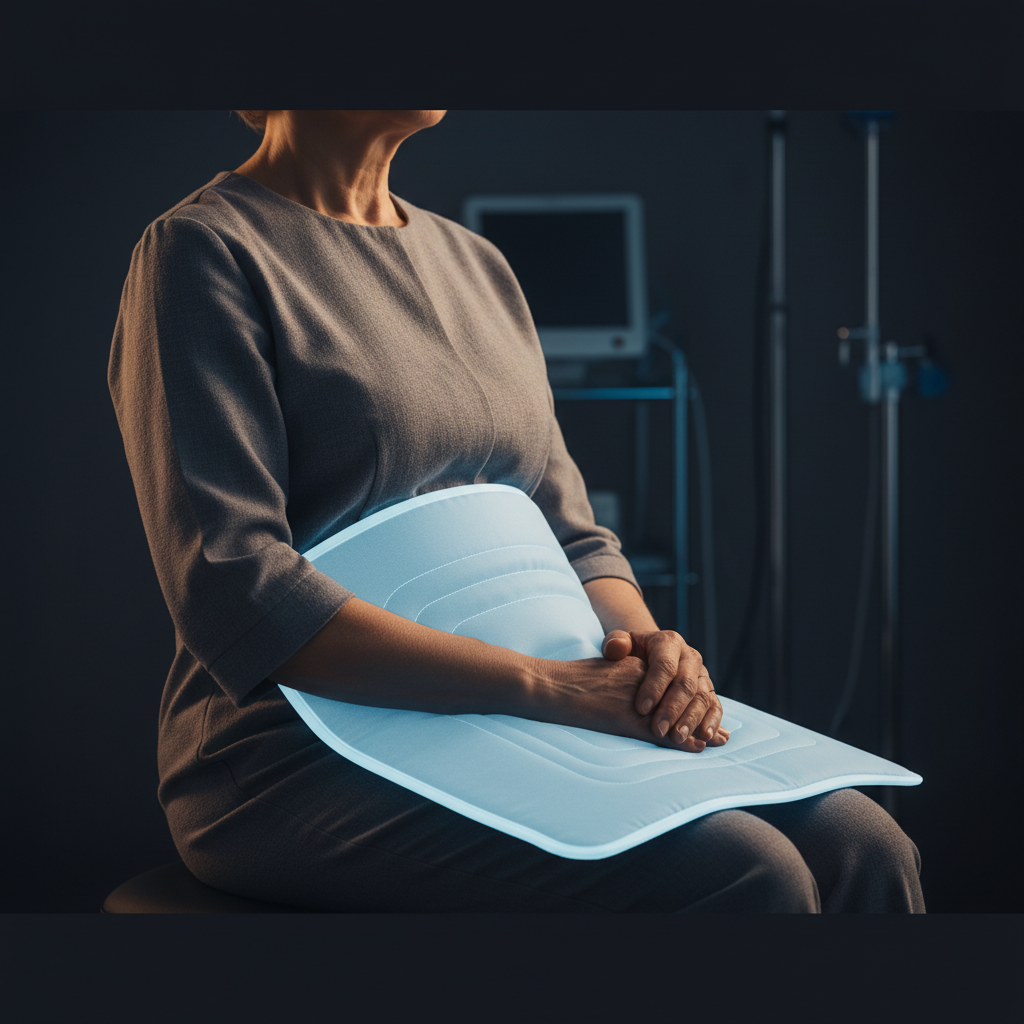
Consumer PEMF for musculoskeletal pain in non-PD adults has acceptable wellness evidence — a legitimate household use case. PEMF mats over the lower back, knee, or shoulder are commonly used for general chronic pain with reasonable safety in the absence of implants. There is no PD-specific PEMF pain RCT, so do not market it to yourself as a PD treatment. Frame it as standard musculoskeletal-pain management in a person who happens to have PD.
The honest sequence
- Identify the pain type — musculoskeletal vs dystonic vs central vs neuropathic vs off-period.
- Levodopa-timing review with the specialist nurse — many PD pains improve with optimised medication.
- Physiotherapy referral for musculoskeletal and gait-driven pain.
- Standard analgesic ladder (paracetamol, NSAIDs where renal/cardiac safe, escalation as appropriate).
- Specialist referral for refractory cases — botulinum toxin for focal dystonia, advanced therapies for off-state pain.
- Consumer PEMF for the musculoskeletal component is a reasonable adjunct in a person without implants.
- Clinical rTMS for chronic pain is a research-trial option at major neuro-pain centres.
Frequently asked questions
Can a PEMF mat help my dad's PD back pain?
Consumer PEMF for general musculoskeletal back pain in adults has acceptable wellness evidence. For PD-specific musculoskeletal back pain, the first step is physiotherapy referral and levodopa-timing review. PEMF as an adjunct is reasonable in a person without implants.
What is dystonic pain and how is it treated?
Dystonic pain — calf cramps, toe curling, hand cramps — is usually off-period or LID-related and responds to dopaminergic optimisation, not PEMF. Botulinum toxin is sometimes used for focal dystonia. Discuss with the movement-disorders nurse.
Does rTMS reduce PD pain?
Choi 2020 (n=52) showed 20 Hz M1 rTMS over 5 sessions reduced pain NRS and other outcomes vs sham. The trial was small and unreplicated. Lefaucheur 2020 gives Level B for HF-M1 in chronic pain generally.
Is the pain I feel coming from my Parkinson's?
Possibly — central PD pain is real but often under-recognised. A structured pain assessment (musculoskeletal vs dystonic vs central vs neuropathic) with the specialist team is the first step.
Can I use a PEMF mat with my levodopa?
Yes — PEMF does not interact pharmacokinetically with levodopa or PD medications. Standard implant exclusions still apply (pacemaker, DBS, ICD, cochlear implant, spinal cord stimulator).
Should I take stronger painkillers or try PEMF first?
The right question is which pain type — different types respond to different interventions. A structured assessment with the GP or movement-disorders nurse should come before either step.
What about acupuncture for PD pain?
Some small trials show acupuncture reduces pain and improves quality of life in PD. NICE NG71 does not formally recommend; some movement-disorders services include it. Reasonable adjunct in selected patients.
Can rTMS help if my pain is making me depressed?
Possibly. The Choi 2020 trial showed depression and anxiety also reduced with M1 rTMS, alongside pain. The Xie 2018 meta-analysis covers PD-depression specifically — see our /depression-rtms page.
Related Parkinson's pages on PEMF UK
Looking for a PEMF clinic in the UK?
We list every credible PEMF therapy provider in the UK. Please remember: no UK clinic can legally claim to treat Parkinson's with PEMF or rTMS.